

A no sugar diet, often referred to as a sugar-free diet, limits the intake of added sugars. This restriction encompasses easily identifiable sweet foods like candies and soft drinks, as well as hidden added sugars found in savory items such as pasta sauces. More restrictive forms of a no sugar diet might also exclude foods containing naturally occurring sugars, like fruits and vegetables, but this practice is generally not advocated for a healthy and balanced diet. When nutrition experts discuss “sugary” foods, they mainly refer to those that have high levels of added sugars, which are any caloric sweeteners incorporated into food products. In conclusion, while consuming a small amount of sugar may be acceptable, excessive intake contributes to weight gain and chronic illnesses. Individuals adhering to a no sugar diet eliminate added sugars to facilitate weight loss and enhance their overall health.
Sugars to Avoid
Since various forms and types of sugar exist, it is useful to identify which ones to steer clear of. If any of the following are listed as ingredients, the food contains added sugars:
– Brown sugar
– Corn sugar
– Corn syrup
– Fructose
– Glucose
– High fructose corn syrup
– Honey (Although it is a naturally occurring sugar, honey is still classified as an added sugar and has a sugar content comparable to both high fructose corn syrup and granulated sugar)
– Raw sugar
– Sucrose
– Sugar
– Syrup
– Turbinado sugar
Artificial sweeteners may provide a sugar alternative since they almost have no calories, but their use is surrounded by considerable debate. Numerous health and nutrition professionals have raised concerns regarding the safety and health implications of sugar substitutes, as well as their efficacy in promoting weight loss. Additionally, some argue that these sweeteners may overly enhance the desire for sweet foods and beverages.
Reasons to Reduce Sugar Intake
Sugar impacts numerous bodily functions, including:
Weight Management
Incorporating sugar into foods and drinks raises their caloric content without enhancing their nutritional benefits. Adding sweetness to foods can also lead to increased consumption. This can create challenges in losing weight or sustaining a healthy weight.
Diabetes
High levels of added sugars in the diet are linked to a greater likelihood of developing type II diabetes. For individuals with diabetes, excessive sugar consumption can hinder blood sugar management.
Oral Health
All sugar types foster the growth and multiplication of bacteria, leading to tooth decay. Consuming food and drinks with either natural or added sugars elevates the risk of cavities, particularly without proper oral hygiene practices.
The Significance of Natural Sugar
Natural sugars found in fruits are vital for a balanced diet as they provide a wholesome energy source. Unlike processed sugars, sugars from fruits come with essential nutrients, fiber, and antioxidants that contribute to overall well-being. The encouraging news? Fruits are considered a healthier means to consume sugar. Ultimately, fruits are beneficial due to their rich vitamin and nutrient content, and many fruits are also high in fiber, supporting healthy digestion. “I don’t want anyone to be apprehensive about the sugar present in fruits as these are natural sugars,” explains the expert. “The body metabolizes it differently compared to sugar found in cookies, cakes, and other such foods.” However, it’s still possible to overindulge. Foods high in sugar content mean, in essence, a greater sugar intake. Understanding the sugar levels in what you consume is particularly important if you have a health condition that necessitates monitoring blood sugar levels.
Apples
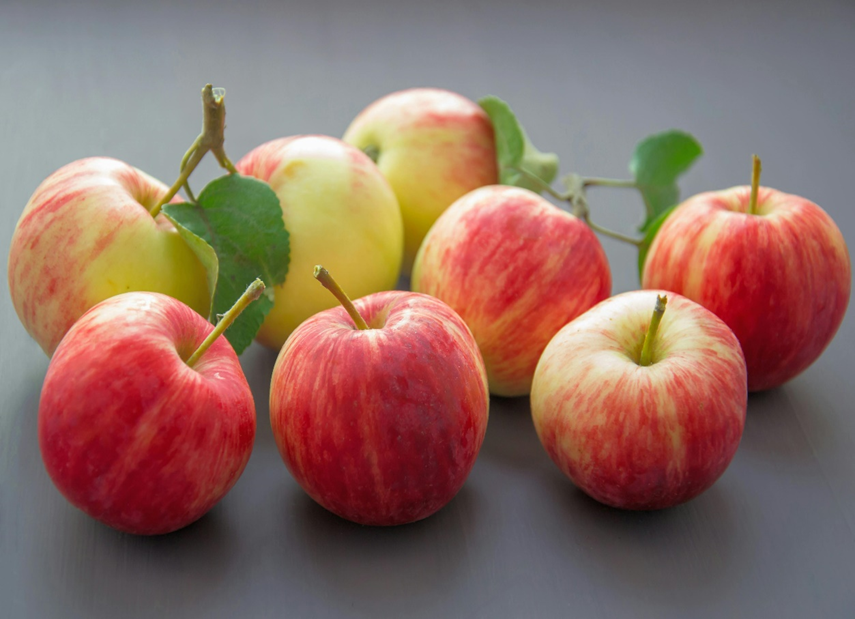
A Hershey’s milk chocolate bar is the sugar equivalent with 25.1 grams of sugar in one large apple.
Because of its natural occurence, fructose, which makes up the majority of the sugar in apples, is frequently referred to as a “fruit sugar.” If you want to reduce the amount of sugar consider apple color you may consume. Green apples generally contain less sugar than red apples, according to research.
Mangoes
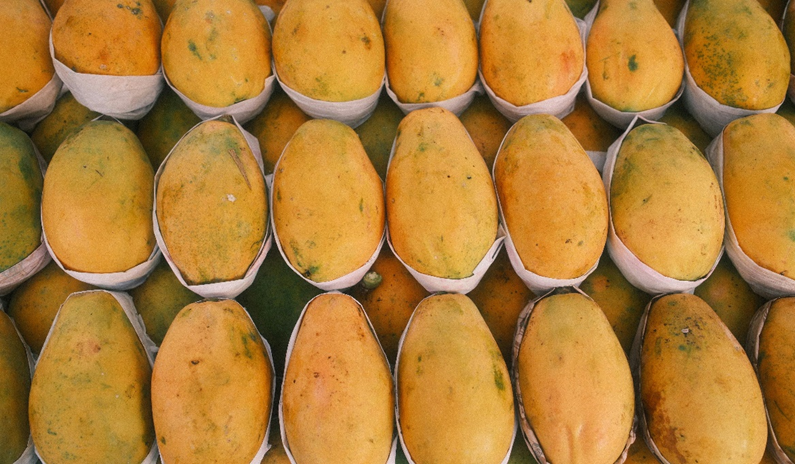
There are 46 grams of sugar in one mango.
50 pieces of candy corn are the equivalent of sweet mango
Mangoes are a prime example of a tropical fruit, which generally has higher sugar levels.
Oranges

The sweet treat sugar equivalent is four twisted red licorice ropes, with one large orange containing 17.2 grams of sugar. The fiber in oranges may help reduce the rate at which blood sugar is released. However, for that to work, eat the fruit rather than drinking a glass of OJ. The concentrated sugar content of orange juice is significantly higher.
Watermelon
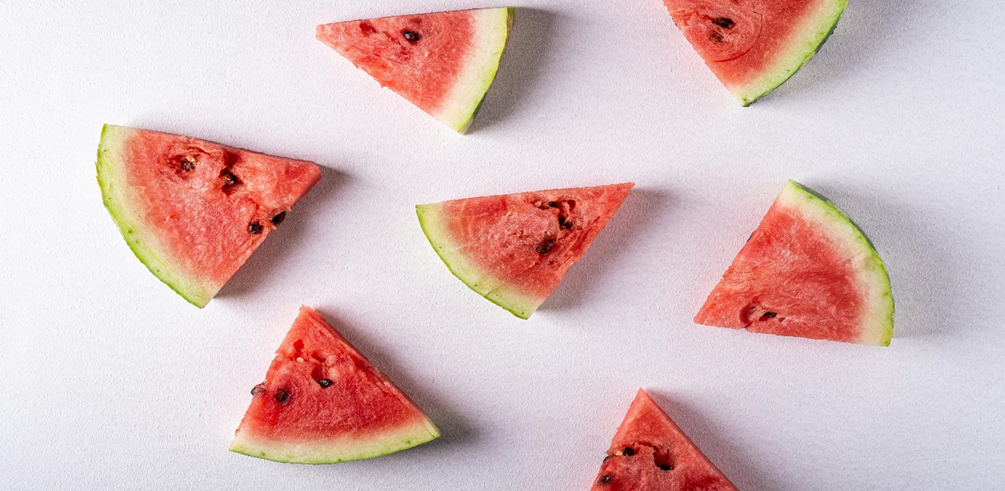
One cup of chopped watermelon contains 9.42 grams of sugar.
The sugar equivalent of a sweet treat is a medium chocolate chip cookie.
Since watermelon is high in sugar and low in carbohydrates, eating a slice on a hot summer day shouldn’t raise your blood sugar levels.
Pineapple

16.3 grams of sugar are found in one cup of chunky pineapple.
A cherry pie slice is the equivalent of sweet treat fruit
Pineapple’s sticky sweetness comes from its high sugar content, which only gets worse if the fruit is juiced, dried, or served in sweet syrups. temperance is essential if you want to enjoy pineapple’s health benefits without getting a sugar rush.
Grapes

particularly the red and grandiloquent kinds of grapes , are rich in antioxidants. One mug of grapes contains about 23 grams of sugar. These small fruits are also a good source of vitamin K, vitamin C, and several B vitamins. Because of their high sugar content, grapes should only be eaten in moderateness, indeed though they’ve heart-healthy and anti-inflammatory properties.
Blackberries
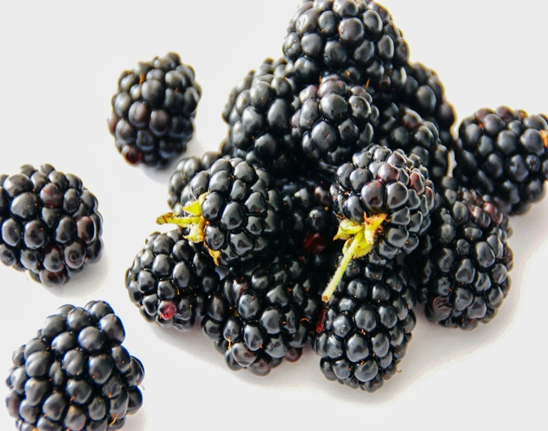
The blackberry which contains roughly 7 grams of sugar per mug, is another fruit that’s low in sugar.
Papaya

Compared to a wide variety of other fruits, papayas have a moderate amount of sugar—about 8 grams per 100 grams of food. Papaya is a nutritive option for most diets because of its natural sugar content and abundance of vitamins, minerals, and fiber.
The gemstone-bottom line on sugar and fruits
Should you be conscious of fruit’s sugar content? Of course. Do you need to worry about it? probably not.
“You’re probably not eating enough fruit for the sugar in it to be a concern, unless you have diabetes or another medical condition where you need to cover blood sugar situations”.
Additionally, fruit is always a healthier choice than delicacies, processed treats, or ignited goods.
When you cut out sugar, what happens to your body?
- You’ll Achieve Your Weight Reduction Objectives
- You’ll Lower Your Risk of Diabetes
- The Aging Process of Your Skin Will Decrease
- Your Chance of Getting Ill Will Drop
- You Will Have Fewer Sugar Cravings
- You’ll Reduce Your Chances of Cognitive Decline and Depression